Today
20
in History
26
January
February
March
April
May
June
July
August
September
October
November
December
01
Wed
02
Thu
03
Fri
04
Sat
05
Sun
06
Mon
07
Tue
08
Wed
09
Thu
10
Fri
11
Sat
12
Sun
13
Mon
14
Tue
15
Wed
16
Thu
17
Fri
18
Sat
19
Sun
20
Mon
21
Tue
22
Wed
23
Thu
24
Fri
25
Sat
26
Sun
27
Mon
28
Tue
29
Wed
30
Thu
31
Fri
...
07-01-1867
Canada established as a self‑governing state
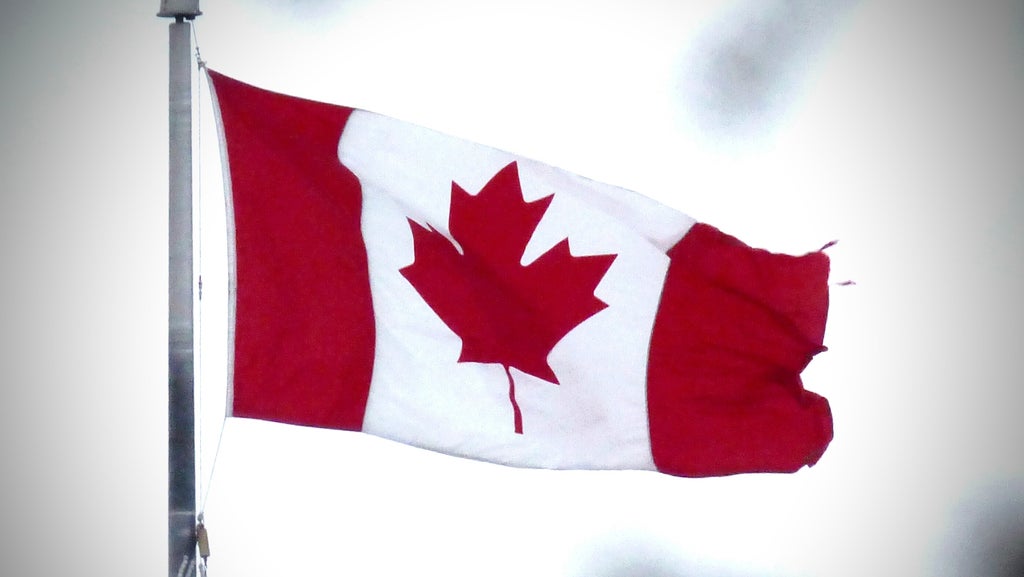
The autonomous Dominion of Canada, a confederation of Nova Scotia, New Brunswick, and the future provinces of Ontario and Quebec, is officially recognized by Great Britain with the passage of the British North America Act. July 1 will later become known as Canada Day.
During the 19th century, colonial dependence gave way to increasing autonomy for a growing Canada. In 1841, Upper and Lower Canada—now known as Ontario and Quebec—were made a single province by the Act of Union. In the 1860s, a movement for a greater Canadian federation grew out of the need for a common defense, the desire for a national railroad system, and the necessity of finding a solution to the problem of French and British conflict. When the Maritime provinces, which sought union among themselves, called a conference in 1864, delegates from the other provinces of Canada attended. Later in the year, another conference was held in Quebec, and in 1866 Canadian representatives traveled to London to meet with the British government.
On July 1, 1867, with passage of the British North America Act, the Dominion of Canada was officially established as a self-governing entity within the British Empire. Two years later, Canada acquired the vast possessions of the Hudson’s Bay Company, and within a decade the provinces of Manitoba and Prince Edward Island had joined the Canadian federation. In 1885, the Canadian Pacific Railway was completed, making mass settlement across the vast territory of Canada possible.
More news today
loading...