Today
20
in History
26
January
February
March
April
May
June
July
August
September
October
November
December
01
Sat
02
Sun
03
Mon
04
Tue
05
Wed
06
Thu
07
Fri
08
Sat
09
Sun
10
Mon
11
Tue
12
Wed
13
Thu
14
Fri
15
Sat
16
Sun
17
Mon
18
Tue
19
Wed
20
Thu
21
Fri
22
Sat
23
Sun
24
Mon
25
Tue
26
Wed
27
Thu
28
Fri
29
Sat
30
Sun
31
Mon
...
08-14-1795
George Washington signs Jay Treaty with Britain
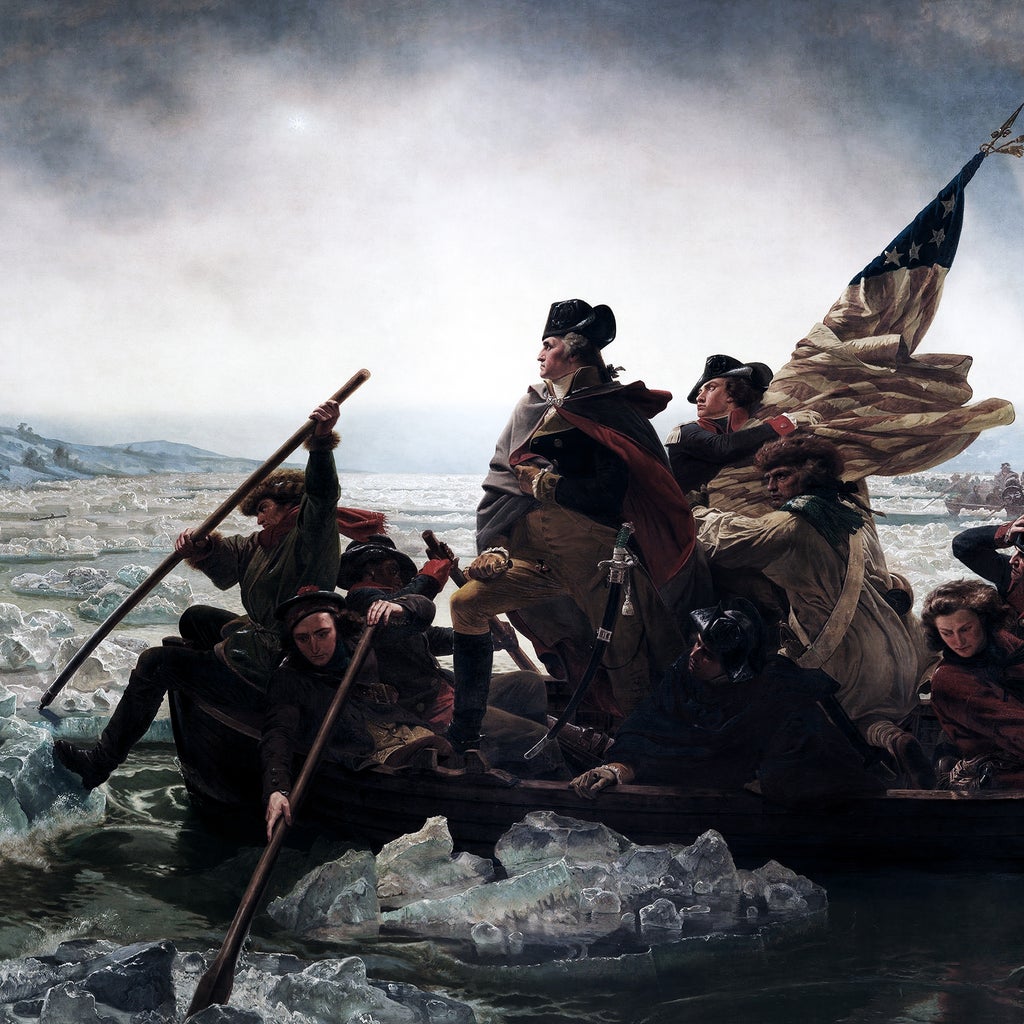
On August 14, 1795, President George Washington signs the Jay (or “Jay’s”) Treaty with Great Britain.
This treaty, known officially as the “Treaty of Amity Commerce and Navigation, between His Britannic Majesty; and The United States of America” attempted to diffuse the tensions between England and the United States that had risen to renewed heights since the end of the Revolutionary War. The U.S. government objected to English military posts along America’s northern and western borders and Britain’s violation of American neutrality in 1794 when the Royal Navy seized American ships in the West Indies during England’s war with France. The treaty, written and negotiated by Supreme Court Chief Justice (and Washington appointee) John Jay, was signed by Britain’s King George III on November 19, 1794 in London. However, after Jay returned home with news of the treaty’s signing, Washington, now in his second term, encountered fierce Congressional opposition to the treaty; by 1795, its ratification was uncertain.
Leading the opposition to the treaty were two future presidents: Thomas Jefferson and James Madison. At the time, Jefferson was in between political positions: he had just completed a term as Washington’s secretary of state from 1789 to 1793 and had not yet become John Adams’ vice president. Fellow Virginian James Madison was a member of the House of Representatives. Jefferson, Madison and other opponents feared the treaty gave too many concessions to the British. They argued that Jay’s negotiations actually weakened American trade rights and complained that it committed the U.S. to paying pre-revolutionary debts to English merchants. Washington himself was not completely satisfied with the treaty, but considered preventing another war with America’s former colonial master a priority.
Ultimately, the treaty was approved by Congress on August 14, 1795, with exactly the two-thirds majority it needed to pass; Washington signed the treaty four days later. Washington and Jay may have won the legislative battle and averted war temporarily, but the conflict at home highlighted a deepening division between those of different political ideologies in Washington, D.C. Jefferson and Madison mistrusted Washington’s attachment to maintaining friendly relations with England over revolutionary France, who would have welcomed the U.S. as a partner in an expanded war against England.
Stream American Revolution documentaries and your favorite HISTORY series, commercial-free.
More news today
loading...