Today
20
in History
26
January
February
March
April
May
June
July
August
September
October
November
December
01
Sun
02
Mon
03
Tue
04
Wed
05
Thu
06
Fri
07
Sat
08
Sun
09
Mon
10
Tue
11
Wed
12
Thu
13
Fri
14
Sat
15
Sun
16
Mon
17
Tue
18
Wed
19
Thu
20
Fri
21
Sat
22
Sun
23
Mon
24
Tue
25
Wed
26
Thu
27
Fri
28
Sat
29
Sun
30
Mon
...
11-17-1970
My Lai trial begins
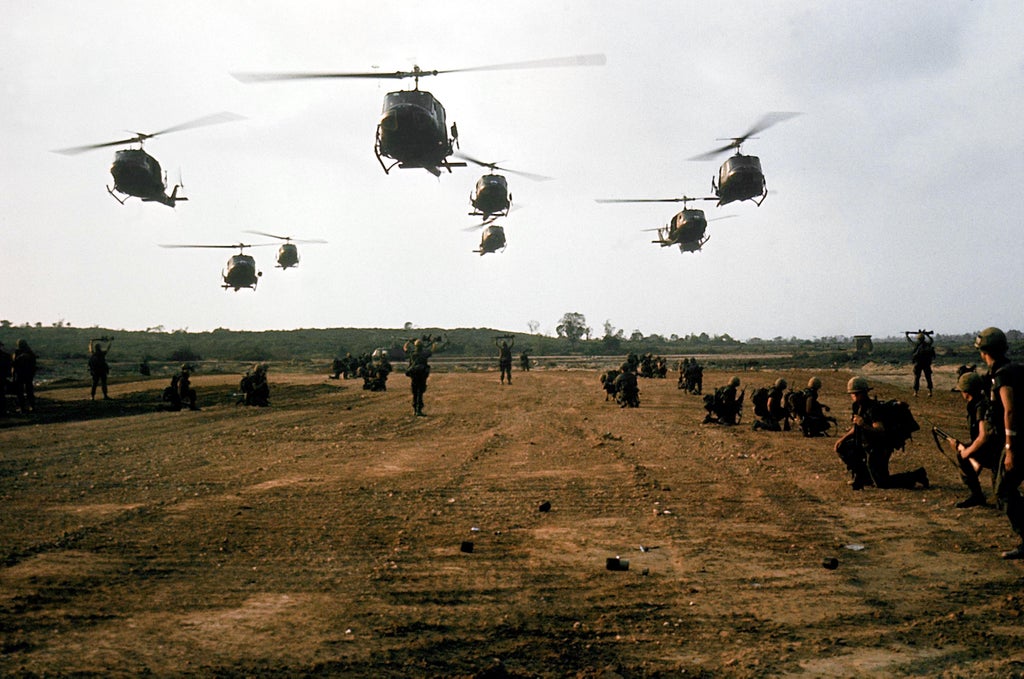
The court-martial of 2nd Lt. William Calley begins. Calley, a platoon leader in Charlie Company, 1st Battalion, 20th Infantry, 11th Infantry Brigade (Light) of the 23rd (Americal) Division, had led his men in a massacre of Vietnamese civilians, including women and children, at My Lai 4 on March 16, 1968. My Lai 4 was one of a cluster of hamlets that made up Son My village in the northern area of South Vietnam.
The company had been conducting a search-and-destroy mission as part of the yearlong Operation Wheeler/Wallowa (November 1967-November 1968). In search of the 48th Viet Cong Local Force Battalion, the unit entered the village but found only women, children, and old men. Frustrated by unanswered losses due to snipers and mines, the soldiers took out their anger on the villagers, indiscriminately shooting innocent people as they ran from their huts. They then systematically rounded up the survivors, allegedly leading them to nearby ditch and killing them.
Calley was charged with six specifications of premeditated murder. During the trial, Chief Army Prosecutor Capt. Aubrey Daniel charged that Calley ordered Sgt. Daniel Mitchell to “finish off the rest” of the rounded-up villagers. The prosecution stressed that all the killings were committed despite the fact that Calley’s platoon had met no resistance and that no one had fired on the men.
The My Lai massacre was initially covered up, but came to light a year later. An Army board of inquiry, headed by Lt. Gen. William Peers, investigated the massacre and produced a list of 30 persons who knew of the atrocity, but only 14, including Calley and his company commander, Capt. Ernest Medina, were charged with crimes. All eventually had their charges dismissed or were acquitted by courts-martial except Calley, whose platoon allegedly killed 200 innocent people.
Calley was found guilty of personally murdering 22 civilians and sentenced to life imprisonment, but his sentence was reduced to 20 years by the Court of Military Appeals and further reduced to 10 years by the Secretary of the Army. Proclaimed by much of the public as a “scapegoat,” Calley was paroled in 1974.
More news today
loading...